
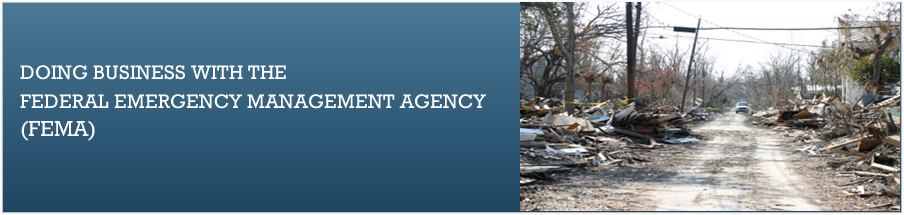
SPRINGFIELD, Ill.—Take advantage of a new year to make your family safer in the face of future disasters.

The Federal Emergency Management Agency encourages Illinois residents to resolve to rebuild stronger and smarter, reducing the risk of potential devastation caused by events like the Nov. 17 tornadoes.

Through New Year’s Day, FEMA will offer simple tips and ideas to construct and maintain a home that can better withstand weather risks your community faces. This information will be posted and updated on FEMA’s Illinois recovery website FEMA.gov/Disaster/4157 as well as Facebook.com/FEMA and Twitter.com/FEMAregion5. Learn about rebuilding techniques and tips such as:                                                                                                                   

  • Reinforcing your Residence. Retrofitting your home can provide structural updates that didn’t exist when it was constructed. For instance, a homeowner can install straps to their roof’s structural beams to make it strong enough to resist the “uplift” effect of high winds that can cause it to lift and collapse back down on the house.
  • Fortify those Floors. Homeowners can secure their structure to its foundation by using anchors or straps. This can minimize the chances of a home moving off its foundation during events like tornadoes and earthquakes.
  • Trim & Tighten. Consider cutting away any dangling tree branches that pose a threat to your home and securing outdoor furniture and fuel tanks that can serve as projectiles during high wind events.
  • Elevation is a Smart Renovation. Flooding is a real risk in Illinois and elevating your home and its critical utilities can significantly reduce the risk of water damage. Contact your local floodplain manager to learn your flood risk and elevation requirements for your residence.
  • Assure You’re Fully Insured. Take the time to review your insurance coverage. Are you adequately insured for the risks your community faces? Are you covered for wind, flood or sewer back-up coverage? Has your policy been updated to reflect the value of your home? Contact your insurance agent to get these questions answered and ensure your home is financially protected.                                                                                                  

Survivors can apply online at DisasterAssistance.gov or with a smartphone or tablet by visiting m.fema.gov. They can also register and get questions answered over the phone by calling FEMA’s helpline, 800-621-FEMA (3362). Survivors who use a TTY can call 800-462-7585. The toll-free telephone numbers operate from 7 a.m. to 10 p.m. (local time) seven days a week until further notice.                                         

For the latest information on Illinois’ recovery from the Nov. 17 storms, visit FEMA.gov/Disaster/4157. Follow FEMA online at twitter.com/femaregion5, facebook.com/fema and youtube.com/fema. The social media links provided are for reference only. FEMA does not endorse any non-government websites, companies or applications.

FEMA’s mission is to support our citizens and first responders to ensure that as a nation we work together to build, sustain, and improve our capability to prepare for, protect against, respond to, recover from, and mitigate all hazards. Disaster recovery assistance is available without regard to race, color, religion, nationality, sex, age, disability, English proficiency or economic status. If you or someone you know has been discriminated against, call FEMA toll-free at 800-621-FEMA (3362). For TTY call 800-462-7585.

FEMA News Desk: 217-522-2080

###

See original – 
Resolve to Rebuild Safer and Stronger in 2014

Springfield, Ill.  – This capsule of recent disaster recovery information is provided by the Federal Emergency Management Agency.

Don’t let misinformation keep you from registering for disaster assistance.

Sometimes unexpected, uninsured expenses arise weeks or even months after a disaster. For example, you might identify additional damage to your home in the spring when temperatures rise and contractors are able to conduct a more comprehensive inspection. If your insurance settlement is delayed, you may qualify for temporary rental assistance if your home is uninhabitable. Or you may exhaust the additional living expenses provided by your insurance company. FEMA and U.S. Small Business Administration disaster assistance may help cover some of these expenses.

Registering with FEMA is quick and easy. You should register even if you have insurance and regardless of your income level or the level of damage your home sustained. Register online at DisasterAssistance.gov, with a mobile device by using the FEMA app or going to m.fema.gov, or by calling 800-621-FEMA (3362). People who are deaf or hard of hearing and use a TTY can call 800-462-7585

SBA low-interest disaster loans are a major recovery funding source for Illinois.

If you apply for assistance with FEMA and are referred to the SBA, it’s important to submit a low-interest disaster loan application to assure that the federal disaster recovery process continues. You are not obligated to accept a loan, but failure to complete and submit the application may stop the FEMA grant process. Homeowners may be eligible for loans up to $200,000 for repairs. Homeowners and renters may be eligible to borrow up to $40,000 to repair or replace personal property. For businesses, loans are available up to $2 million to repair or replace disaster damaged real estate, and other business assets. Eligible small businesses and non-profits can apply for Economic Injury Disaster Loans (EIDL) to help meet working capital needs caused by the disaster.

You can apply online at DisasterLoan.SBA.gov/ela. For additional information about SBA low-interest disaster loans, contact the SBA Disaster Assistance Customer Service Center by calling 800-659-2955 or TTY 800-877-8339, emailing DisasterCustomerService@sba.gov or visiting sba.gov/disaster.

Rental assistance is available if you have been displaced as a result of the storms.

If you are making repairs to or rebuilding your home, you may be eligible for assistance from FEMA to cover temporary rental expenses if your home is uninhabitable – but you must register with FEMA to be considered. Call 800-621-FEMA (3362) or visit a Disaster Recovery Center if you have questions or need help finding a rental property. You can also go Nestrent.com or IlHousingSearch.org to identify available rental properties.

FEMA decision letters are not the end of the line for disaster assistance.

After registering with FEMA, you will receive a letter explaining the status of your application. The letter may state that you’re ineligible for assistance, but this isn’t necessarily a final decision. It is important to read the entire letter carefully because it states exactly what needs to be submitted for potential federal assistance. If you have insurance, you must submit all of your insurance information for FEMA to review your eligibility. Sending your insurance declaration page is not sufficient. You need to submit actual insurance settlement information. If you are unsure of how to obtain this document, contact your insurance company, call the FEMA helpline (800-621-FEMA) or visit a Disaster Recovery Center. Insurance documents will be reviewed, then an inspector may arrange a visit to the damaged home or apartment to determine if there are uninsured, eligible losses. Federal disaster assistance may assist in covering some expenses not covered by insurance. You can appeal FEMA’s decision. Appeals must be filed within 60 days of the date of the determination letter. More information is available by calling 800-621-FEMA (3362) or by taking the letter to a Disaster Recovery Center. You can locate the nearest center by going to fema.gov/drclocator.

Help is available to repair damaged vehicles.

If you had a vehicle damaged or destroyed in one of the counties affected by the Nov. 17 Illinois tornadoes, you may be eligible for federal disaster assistance. Even if you are not a resident of one of the designated counties, you may still be eligible for this assistance if you were working or visiting one of the counties. You must register with FEMA to be considered for eligibility. In addition to FEMA assistance, homeowners and renters may be eligible to borrow up to $40,000 through SBA’s low-interest disaster loan program to repair or replace personal property, including automobiles damaged or destroyed in the disaster.

Illinois recovery photos and videos available

Visit fema.gov/disasters/4157 to access FEMA’s online library of photos and videos documenting response and recovery efforts to the Nov. 17 storms and tornadoes in Illinois. The page also includes updated information and important messages regarding Illinois’ recovery.

NEWS DESK: 217-522-2080

###

Excerpt from:

Illinois Tornado Recovery News: Capsule of Illinois tornado recovery news for weekly newspapers

NEW YORK — FEMA has approved nearly $38 million in Hurricane Sandy assistance to fund emergency efforts and help repair and rebuild public infrastructure in Kings County.

To date, local, state and federal recovery officials have identified 108 projects from applicants in Kings County that are eligible for Public Assistance from the Federal Emergency Management Agency.

The $37,924,258 in assistance represents 90 percent of the cost of approved PA projects that will be reimbursed by FEMA. The state manages the PA program and disburses funding.

A breakdown by category of work:

         Debris Removal                                                   $  9,338,889  

         Emergency Protective Measures                         $26,624,607

         Buildings and Equipment                                    $  1,938,293

         Parks, Recreational and Other Facilities             $      22,470

$425,830 is included in the funding for Kings County for permanent work to reduce or eliminate repeat disaster damage.

PA applicants included:

  • state agencies
  • local and county governments
  • private nonprofit organizations that own or operate facilities that provide essential government-type services
  • FEMA’s mission is to support our citizens and first responders to ensure that as a nation we work together to build, sustain, and improve our capability to prepare for, protect against, respond to, recover from, and mitigate all hazards. Recovery assistance is available without regard to race, color, religion, nationality, sex, age, disability, English proficiency or economic status. If you or someone you know has been discriminated against, call FEMA toll-free at 800-621-FEMA (3362). For TTY call 800-462-7585.

View original: 

$37 Million in Federal Funding Supports Kings County’s Sandy Recovery

NEW YORK — FEMA has approved more than $38 million in Hurricane Sandy assistance to fund emergency efforts and help repair and rebuild public infrastructure in Westchester County.

To date, local, state and federal recovery officials have identified 345 projects from applicants in Westchester County that are eligible for Public Assistance from the Federal Emergency Management Agency.

The $38,398,651 million represents 90 percent of the cost of approved PA projects that will be reimbursed by FEMA. The state manages the PA program and disburses funding.

A breakdown by category of work:

         Debris Removal                                                   $   23,348,532           

         Emergency Protective Measures                         $   10,300,909

         Roads and Bridges                                              $        724,592

         Water Control Facilities                                       $          10,057

         Buildings and Equipment                                     $        965,384

         Utilities                                                                 $     1,684,093

         Parks, Recreational and Other Facilities             $     1,365,081

$1,708,524 is included in the funding for Westchester County for permanent work that will reduce or eliminate repeat disaster damage.                                               

PA applicants can include:

  • state agencies
  • local and county governments
  • private nonprofit organizations that own or operate facilities that provide essential government-type services

FEMA’s mission is to support our citizens and first responders to ensure that as a nation we work together to build, sustain, and improve our capability to prepare for, protect against, respond to, recover from, and mitigate all hazards. Recovery assistance is available without regard to race, color, religion, nationality, sex, age, disability, English proficiency or economic status. If you or someone you know has been discriminated against, call FEMA toll-free at 800-621-FEMA (3362). For TTY call 800-462-7585.

Continued:

$38 Million in Federal Funding Supports Westchester County’s Sandy Recovery

Springfield, Ill.— While the Federal Emergency Management Agency (FEMA) and Small Business Administration (SBA) may provide valuable grants and loans to disaster survivors for repairing or replacing lost property, disaster assistance may be available through other sources.

The following are valuable resources for survivors of the Nov. 17 tornadoes in Champaign, Douglas, Fayette, Grundy, Jasper, LaSalle, Massac, Pope, Tazewell, Vermilion, Wabash, Washington, Wayne, Will and Woodford counties to receive help their recovery.

  • Survivors can apply for Disaster Unemployment Assistance. Help may be available for Illinois workers, including business owners, who lost employment as a result of the Nov. 17 tornadoes. Applications are available at Illinois Department of Employment Security offices. Survivors can locate their nearest office by calling 800-244-5631 or online at ides.illinois.gov/myoffice. The deadline to apply is Thursday, Jan. 2, 2014.
  • Survivors can get free legal help. Low-income survivors facing legal issues can call 844-726-8775, extension 256, to request free legal assistance about issues related to their recovery from the tornadoes. 
  • Childcare-related expenses may be available. FEMA may provide eligible applicants with grants to pay for certain disaster-related childcare costs. The assistance costs may be available if a survivor had to move to a different community where child care costs are more expensive or the disaster caused their usual child care facility to close leaving only a more expensive facility available. For more information, call 800-621-FEMA (3362).
  • Crisis counseling referrals are available. Crisis counseling is available to those in emotional distress following the tornadoes. Survivors can call 800-985-5990, 24 hours a day, seven days a week.
  • Find an available nearby rental property through online resources. Visit Nestrent.com or IlHousingSearch.org. Survivors can also call 800-621-FEMA (3362) for recommendations on available rental properties or to ask questions about temporary rental assistance.

FEMA urges disaster survivors affected by the tornadoes to register with FEMA online at DisasterAssistance.gov or by calling 800-621-FEMA (3362) or TTY 800-462-7585 or register with a smartphone or tablet at m.fema.gov.

For the latest information on Illinois’ recovery from the Nov. 17 storms, visit FEMA.gov/Disaster/4157. Follow FEMA online at twitter.com/femaregion5, facebook.com/fema and youtube.com/fema. The social media links provided are for reference only. FEMA does not endorse any non-government websites, companies or applications.

FEMA’s mission is to support our citizens and first responders to ensure that as a nation we work together to build, sustain, and improve our capability to prepare for, protect against, respond to, recover from, and mitigate all hazards. Disaster recovery assistance is available without regard to race, color, religion, nationality, sex, age, disability, English proficiency or economic status. If you or someone you know has been discriminated against, call FEMA toll-free at 800-621-FEMA (3362). For TTY call 800-462-7585.

NEWS DESK: 217-522-2080

###

Continue at source:

Many Forms of Disaster Assistance Available

NEW YORK — FEMA has approved more than $1.3 million in Hurricane Sandy assistance to fund emergency efforts and help repair and rebuild public infrastructure in Richmond County.

To date, local, state and federal recovery officials have identified 27 projects from applicants in Richmond County that are eligible for Public Assistance from the Federal Emergency Management Agency.

The $1,350,231 million represents 90 percent of the cost of approved PA projects that will be reimbursed by FEMA. The state manages the PA program and disburses funding.

A breakdown by category of work:

         Debris Removal                                                   $    453,696   

         Emergency Protective Measures                         $    118,883

         Buildings and Equipment                                    $    769,713

         Parks, Recreational and Other Facilities             $        7,937

$12,705 is included in the funding for Richmond County for permanent work that will reduce or eliminate repeat disaster damage.

PA applicants can include:

  • state agencies
  • local and county governments
  • private nonprofit organizations that own or operate facilities that provide essential government-type services

FEMA’s mission is to support our citizens and first responders to ensure that as a nation we work together to build, sustain, and improve our capability to prepare for, protect against, respond to, recover from, and mitigate all hazards. Recovery assistance is available without regard to race, color, religion, nationality, sex, age, disability, English proficiency or economic status. If you or someone you know has been discriminated against, call FEMA toll-free at 800-621-FEMA (3362). For TTY call 800-462-7585.

Original link:  

$1.3 Million in Federal Funding Supports Richmond County’s Sandy Recovery

$2.2 Billion in FEMA Public Assistance Grants for Hurricane Sandy Recovery

Main Content

Release date:

December 18, 2013

Release Number:

4085-255

NEW YORK — More than $2.2 billion in federal aid has been approved to reimburse state, local and tribal governments for Sandy-related response and recovery efforts to date in New York. This figure includes over $31 million for permanent work to protect against future disaster damage.

Public Assistance grants from the Federal Emergency Management Agency provide reimbursement for some costs of emergency response. So far, 2,907 grants have been approved, including $575 million for debris removal, $1.1 billion for protective measures, $41 million for roads and bridges, $934 million for water control facilities, $89 million for public buildings, $356 million for public utilities and $70.8 million for parks and recreational facilities.

Here is the breakdown of approved Public Assistance projects by county:

Bronx County

$2.2 million

Greene County

$384,000

Kings County

$37 million

Nassau County

$332 million

New York County

$746 million

Orange County

$2.5 million

Putnam County

$1.5 million

Queens County

$452 million

Richmond County

$1.3 million

Rockland County

$12.4 million

Suffolk County

$141 million

Sullivan County

$1 million

Ulster County

$2.9 million

Westchester County

State government agencies

$38 million

$464 million

To learn more about FEMA Public Assistance in New York, visit: fema.gov/public-assistance-local-state-tribal-and-non-profit and dhses.ny.gov/oem/recovery.

For more information on New York’s disaster recovery, visit fema.gov/sandynytwitter.com/FEMASandy, facebook.com/FEMASandy and fema.gov/blog.

Last Updated:

December 20, 2013 – 16:14

State/Tribal Government or Region:

Related Disaster:

Continued:

$2.2 Billion in FEMA Public Assistance Grants for Hurricane Sandy Recovery

BISMARCK, N.D. – Today the Federal Emergency Management Agency (FEMA) and North Dakota Department of Emergency Services announced that federal and state assistance funding for public infrastructure repairs following the 2013 winter and spring floods has surpassed $18.6 million. 

On May 29 President Obama issued a major disaster declaration for the winter snowmelt flooding.  On July, 12, a second declaration was made in response to flooding caused by a series of heavy rainfall events.  Both declarations activated the Public Assistance program, providing assistance for emergency work, debris removal, and repairs to or replacement of infrastructure, including roads, bridges and schools.

FEMA’s Public Assistance (PA) Program provides funding to local government jurisdictions and eligible private non-profits for the repair, replacement, or restoration of disaster-damaged infrastructure as well as costs incurred for disaster cleanup or emergency actions taken to protect lives or property. The federal share of recovery costs is 75 percent. The remaining share is the responsibility of the state and local government or private non-profit organization.

To date, $16.4 million in federal funding has been obligated for 349 infrastructure projects. Of that amount, $9.2 million is for roads and bridges throughout the state, $3.7 million is for emergency protective measures, $850,000 is for debris removal and $2.5 million is for other projects.  The state is providing an additional $2.2 million as its cost-share toward all projects.

PA projects fall broadly into two categories, small projects (total project cost of $67,500 or less) and large projects (total project cost greater than $67,500).  Applicants receive funding for small projects as soon as funding is obligated and receive funding for large projects when receipts and cost documentation for work completed is provided to the state.  FEMA provides funding to the state and the state in turn awards the funds to the applicant.

Link: 

Federal and State Infrastructure Aid For 2013 Flood Events Tops $18.6 Million

SPRINGFIELD, Ill. — Federal Emergency Management Agency (FEMA) officials, along with partners from the U.S. Small Business Administration (SBA) are encouraging homeowners, renters and businesses to apply for low-interest disaster loans to help fund their losses.

If Illinois residents apply for assistance with FEMA and are referred to the SBA, it’s important for them to submit a loan application to assure that the federal disaster recovery process continues and they keep their options open:

  • Many survivors who register with FEMA will be contacted by the SBA. Survivors can submit their SBA disaster loan applications one of three ways: by mail, in person at a Disaster Recovery Center or online at DisasterLoan.SBA.gov/ela.
  • It is important for survivors to complete and return the application as soon as possible. Filing the loan application does not obligate people to accept an SBA loan and failure to complete and submit an SBA loan application may stop the FEMA grant process. However, homeowners and renters who submit an SBA application and are declined a loan may be considered for certain other FEMA grants and programs that could include assistance for disaster-related car repairs, clothing and household items.
  • Next to insurance, an SBA loan is the primary funding source for real estate property repairs and replacing lost contents following a disaster like a tornado. Homeowners may be eligible for low interest loans up to $200,000 for repairs.
  • SBA can help renters replace their essential items. Homeowners and renters may be eligible to borrow up to $40,000 to repair or replace personal property, including automobiles damaged or destroyed in the disaster.
  • Loans for businesses and private non-profit organizations. Loans are available up to $2 million to repair or replace disaster damaged real estate, and other business assets.  Eligible small businesses and non-profits can apply for Economic Injury Disaster Loans (EIDL) to help meet working capital needs caused by the disaster. 
  • Do not wait on an insurance settlement before returning an application. Insurance may not pay for any or all of the storm-related damage. Survivors can begin their recovery immediately with an SBA disaster loan.  The loan balance will be reduced by their insurance settlement.
     

For additional information about SBA low-interest disaster loans, contact the SBA Disaster Assistance Customer Service Center by calling 800-659-2955 or TTY 800-877-8339, emailing disastercustomerservice@sba.gov or visiting sba.gov/disaster. SBA customer service representatives are available at all disaster recovery centers. Centers can be found online at fema.gov/DRC.

For the latest information on Illinois’ recovery from the Nov. 17 storms, visit FEMA.gov/Disaster/4157. Follow FEMA online at twitter.com/femaregion5, facebook.com/fema and youtube.com/fema. The social media links provided are for reference only. FEMA does not endorse any non-government websites, companies or applications.

FEMA’s mission is to support our citizens and first responders to ensure that as a nation we work together to build, sustain, and improve our capability to prepare for, protect against, respond to, recover from, and mitigate all hazards. Disaster recovery assistance is available without regard to race, color, religion, nationality, sex, age, disability, English proficiency or economic status. If you or someone you know has been discriminated against, call FEMA toll-free at 800-621-FEMA (3362). For TTY call 800-462-7585.

SBA provides low-interest, long term disaster loans for homeowners, renters and businesses of all sizes. For more information, visit SBA’s website at www.sba.gov/disaster.

NEWS DESK: 217-522-2080

###

View article:  

SBA Loans Help Individuals & Businesses on the Road to Recovery

SPRINGFIELD, IL – Less than a month after tornadoes swept across Illinois, more than $1 million in Federal Emergency Management Agency grant assistance has been approved to help those affected by the storms.

1,632 people have contacted FEMA for help or information regarding disaster assistance.

In addition to FEMA grants for individuals and families, other forms of disaster assistance are provided by partner agencies such as the U.S. Small Business Administration, the American Red Cross and the Salvation Army. FEMA often refers survivors to those agencies. Businesses are also referred to the SBA. Other callers may be interested in non-FEMA programs such as disaster unemployment assistance, the Disaster Supplemental Nutrition Assistance Program or legal aid.

The following is a snapshot of the disaster recovery effort as of Dec. 10:

  • 200 households approved for FEMA grants that assist with temporary rentals and personal property loss.
  • $760,124 approved for housing grants, including short-term rental assistance and home repair costs.
  • $334,766 approved to cover other essential disaster-related needs such as medical and dental expenses and lost personal possessions.
  • 329 home inspections completed.
  • 226 visits to disaster recovery centers by people affected by the disaster.
  • 3 disaster recovery centers currently open.

No matter the degree of loss or insurance coverage, survivors are urged to apply for help. They can use any of the following methods:

  1. By phone, call 800-621-FEMA (3362) from 7 a.m. to 10 p.m. Assistance is available in most languages. People who are deaf or hard of hearing may call (TTY) 800-462-7585.
  2. Online at www.DisasterAssistance.gov.
  3. By tablet or smartphone, use the FEMA app or go to m.fema.gov.

Survivors who register with FEMA and are referred to SBA will be contacted with options on how to apply for a low-interest disaster loan. After being contacted by SBA, survivors should complete and submit an application even if they do not plan to accept a loan. It is part of the FEMA grant process and can pave the way for additional disaster assistance. SBA disaster loans are available with interest rates as low as 2.25 percent and terms up to 30 years.

Complete an online application at https://disasterloan.sba.gov/ela. Call the SBA customer service center with questions at 800-659-2955. People who are deaf or hard of hearing and use a TTY can call 800-877-8339. For more information, visit sba.gov.

For the latest information on Illinois’ recovery from the Nov. 17 storms, visit FEMA.gov/Disaster/4157. Follow FEMA online at twitter.com/femaregion5, facebook.com/fema and youtube.com/fema.

The social media links provided are for reference only. FEMA does not endorse any non-government websites, companies or applications.

FEMA’s mission is to support our citizens and first responders to ensure that as a nation we work together to build, sustain, and improve our capability to prepare for, protect against, respond to, recover from, and mitigate all hazards. Disaster recovery assistance is available without regard to race, color, religion, nationality, sex, age, disability, English proficiency or economic status. If you or someone you know has been discriminated against, call FEMA toll-free at 800-621-FEMA (3362). For TTY call 800-462-7585.

SBA is the federal government’s primary source of funding for the long-term rebuilding of disaster-damaged private property. SBA helps homeowners, renters, businesses of all sizes, and private non-profit organizations fund repairs or rebuilding efforts, and cover the cost of replacing lost or disaster-damaged personal property. These disaster loans cover uninsured and uncompensated losses and do not duplicate benefits of other agencies or organizations. For information about SBA programs, applicants may call 800-659-2955 (TTY 800-877-8339).

FEMA News Desk: 217-522-2080

###


Original article – 

More than $1 Million in Federal Assistance Approved for Nov. 17 Storm Survivors in Illinois

 Page 53 of 105  « First  ... « 51  52  53  54  55 » ...  Last »